DOTHAN TRUCK ACCIDENT LAWYER
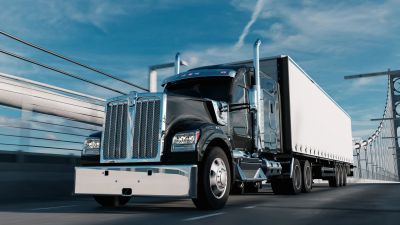
Representing people injured in 18-wheeler and commercial truck accidents in Dothan and Southeast Alabama.
A collision involving an 18-wheeler, tractor-trailer, or other commercial vehicle can cause devastating injuries. These cases can also be substantially more complicated than an ordinary car accident because the truck driver may not be the only person or company legally responsible for the collision.
Dothan Law Group represents people injured in truck accidents in Dothan, Houston County, and throughout Southeast Alabama. We investigate the actions of the truck driver as well as the trucking company, motor carrier, vehicle owner, maintenance providers, cargo companies, and other parties whose conduct may have contributed to the accident.
Truck accident investigations may involve evidence that does not exist in an ordinary car accident case. Depending on the circumstances, important evidence may include electronic logging device (ELD) data, driver logs and hours-of-service records, vehicle inspection and maintenance records, driver qualification information, dispatch records, electronic control module or other vehicle data, photographs, surveillance footage, and records concerning the trucking company's safety practices.
Some of this evidence may be controlled by the trucking company or another business and may not be preserved indefinitely. For that reason, investigating a serious commercial truck accident and identifying evidence that should be preserved can be particularly important.
Why Are Truck Accident Cases Different From Car Accident Cases?
Commercial trucking accidents can involve federal and state safety requirements, corporate defendants, substantial insurance coverage, and multiple potentially responsible parties. Determining why a crash occurred may require examining much more than the conduct of the person behind the wheel.
A truck accident investigation may involve questions about whether the driver was fatigued or exceeded applicable hours-of-service limits, whether the truck was properly inspected and maintained, whether the driver was properly qualified, whether cargo was safely loaded or secured, and whether the motor carrier followed applicable safety requirements.
The size and weight of commercial trucks also mean that collisions can result in catastrophic injuries or death. A thorough investigation can be important both to determining responsibility and to documenting the full extent of the losses caused by the collision.
Who Can Be Liable for an 18-Wheeler or Commercial Truck Accident?
The truck driver may not be the only party responsible for a commercial truck accident. Depending on how the collision occurred and the relationships among the companies involved, responsibility may extend to one or more individuals or businesses.
Potentially responsible parties can include:
The truck driver. A driver may cause or contribute to a collision through speeding, distracted driving, fatigue, impairment, following too closely, unsafe lane changes, failure to yield, or other negligent driving.
The trucking company or motor carrier. A motor carrier may be responsible for the conduct of its driver and, depending on the circumstances, may also face claims involving its own hiring, training, supervision, retention, safety practices, or other conduct.
The owner of the tractor or trailer. Commercial trucks and trailers are not always owned by the company or driver operating them. Ownership, leasing arrangements, and responsibility for the equipment may need to be investigated.
Maintenance and repair companies. If defective brakes, tires, steering components, lights, or other mechanical problems contributed to the crash, maintenance and repair records may become important in determining responsibility.
Cargo loaders or other companies involved with the shipment. Improperly loaded or secured cargo can affect a truck's handling, braking, stability, and weight distribution. Depending on the circumstances, another company may have been responsible for loading or securing the cargo.
Other responsible parties. Some truck accidents involve brokers, contractors, manufacturers, other motorists, or additional businesses. Identifying the companies involved and determining their respective roles can be an important part of investigating a serious commercial trucking accident.
Common Causes of Truck Accidents
Commercial truck accidents can occur for many reasons. Determining the cause of a crash may require examining the driver's actions, the condition of the truck, company records, electronic data, and other available evidence.
Common causes and contributing factors can include:
• Driver fatigue and drowsy driving
• Speeding or driving too fast for conditions
• Distracted driving
• Following too closely
• Unsafe lane changes and blind-spot collisions
• Failure to yield
• Impaired driving
• Inadequate driver training or experience
• Hours-of-service violations
• Brake, tire, or other equipment failures
• Inadequate inspection or maintenance
• Overloaded or improperly secured cargo
• Unsafe backing or turning maneuvers
• Failure to account for the truck's stopping distance, size, or weight
The cause of a truck accident is not always apparent from the crash scene alone. Evidence obtained after the collision may reveal contributing factors that were not initially identified in the accident report.
What Evidence Is Important in a Truck Accident Case?
Evidence in a commercial truck accident case can extend far beyond the police report and photographs taken at the scene. Trucking companies and commercial vehicles may generate records and electronic data that can help determine how and why a collision occurred.
Depending on the circumstances of the accident, important evidence may include:
Electronic Logging Device (ELD) records. Commercial drivers may be required to electronically record their driving time and hours of service. These records can be important when investigating driver fatigue or whether applicable hours-of-service requirements were followed.
Electronic vehicle data. Some commercial vehicles contain electronic systems that may record information concerning the truck's operation. Depending on the vehicle and available data, this information may assist in reconstructing events surrounding a collision.
Driver qualification and employment records. Records concerning a driver's qualifications, training, driving history, and employment may become relevant when investigating whether the driver was properly qualified to operate the commercial vehicle.
Inspection, maintenance, and repair records. Commercial trucks require regular inspection and maintenance. Records involving brakes, tires, steering systems, lights, and other equipment may help determine whether a mechanical condition contributed to the accident.
Dispatch and company records. Dispatch information, trip records, communications, and other company documents may provide information about the driver's route, schedule, assignments, and the circumstances surrounding the trip.
Photographs and video. Dash cameras, surveillance cameras, photographs, and other recordings may provide valuable evidence concerning how the collision occurred and the conditions that existed at the time.
Witness testimony and accident-scene evidence. Statements from witnesses, vehicle damage, roadway markings, debris, measurements, and other physical evidence may also be important in reconstructing a serious truck accident.
What Compensation Can I Recover After a Truck Accident in Alabama?
A serious truck accident can affect nearly every part of a person's life. The compensation available in an Alabama truck accident case depends on the injuries, financial losses, evidence, insurance coverage, and other circumstances of the particular case.
Depending on the facts, recoverable damages may include:
Medical expenses. A claim may include legally recoverable expenses for emergency treatment, hospitalization, surgery, rehabilitation, physical therapy, medication, diagnostic testing, and other medical care caused by the accident.
Future medical care. Serious injuries may require treatment long after the initial hospitalization. When supported by the evidence, future medical needs may be considered as part of the claim.
Lost income and diminished earning ability. An injured person may lose wages while unable to work. A serious or permanent injury may also affect the person's ability to work or earn income in the future.
Pain and suffering. Compensation may be available for the physical pain and suffering caused by injuries sustained in the collision.
Mental anguish. Serious accidents and injuries can also cause significant emotional and psychological effects that may be considered as part of an injury claim.
Permanent injury, impairment, or disfigurement. Catastrophic truck accidents can result in permanent limitations, scarring, disfigurement, or other lasting effects that substantially affect a person's life.
Property damage and other losses. A collision may also result in damage to or loss of a vehicle and other property, along with additional legally recoverable losses arising from the accident.
Every truck accident claim is different. The value of a case cannot be determined simply by looking at the amount of the medical bills. The nature and permanence of the injuries, lost income, future medical needs, available insurance coverage, liability evidence, and the overall effect of the injuries on the person's life may all be important.
How Long Do I Have to File a Truck Accident Lawsuit in Alabama?
Alabama law generally provides a two-year limitations period for personal-injury claims arising from negligence. In many motor-vehicle accident cases, this means a lawsuit must be filed within two years after the claim accrues. Different rules or deadlines may apply depending on the circumstances and the parties involved.
Waiting until the end of the limitations period can also create practical problems even when the lawsuit itself is still timely. Evidence can disappear, witnesses can become difficult to locate, vehicles can be repaired or destroyed, and electronic or business records may no longer be available.
Anyone seriously injured in a commercial truck accident should therefore consider speaking with an attorney well before the applicable deadline expires.
What Should I Do After an 18-Wheeler Accident?
The steps taken after a commercial truck accident can affect both your health and your ability to establish what happened. If you have been involved in a serious truck accident, consider the following:
Get appropriate medical treatment. Your health should come first. Some injuries may not be fully apparent immediately after a collision, and medical records can also document the injuries and treatment resulting from the accident.
Report the accident. Make sure the collision is reported to law enforcement and obtain information necessary to identify the truck, driver, trucking company, and applicable insurance coverage.
Photograph the scene if you can safely do so. Photographs or video of the vehicles, roadway, skid marks, debris, traffic signals, signs, cargo, and surrounding area may later become important evidence.
Identify witnesses. Obtain names and contact information for people who witnessed the collision when possible.
Preserve documents and other evidence. Keep photographs, medical records, bills, repair estimates, towing records, correspondence with insurance companies, and other materials related to the accident.
Be cautious when discussing the accident with insurance representatives. A trucking company or insurer may begin investigating the collision quickly. Statements concerning how the accident happened or the extent of your injuries can become important later.
Consider speaking with an attorney promptly. Commercial trucking cases can involve evidence controlled by the trucking company or other businesses. Early investigation may help identify and preserve evidence before it is lost, overwritten, repaired, or destroyed.
Frequently Asked Questions About Alabama Truck Accidents
Is a truck accident claim different from a car accident claim?
It can be. Commercial truck accidents may involve a truck driver, motor carrier, equipment owner, maintenance company, cargo company, or other businesses. They may also involve company records, electronic data, federal trucking requirements, and other evidence that is not normally present in an ordinary automobile accident case.
How long do I have to file a truck accident lawsuit in Alabama?
Alabama generally provides a two-year limitations period for personal-injury claims arising from a motor-vehicle collision. The particular deadline can depend on the nature of the claim and parties involved, so the applicable deadline should be determined from the facts of the individual case.
What if the trucking company's insurance company contacts me?
You may be contacted by an insurance representative seeking information about the collision or your injuries. You are entitled to consider obtaining legal advice before providing a recorded statement or agreeing to resolve an injury claim.
What if I was partially at fault for the accident?
Alabama's contributory-negligence law can make this issue particularly important. If the trucking company contends that the injured person also contributed to causing the collision, the circumstances of the accident and the available evidence should be carefully evaluated.
What if the truck driver received a traffic ticket?
A traffic citation can be relevant, but it does not necessarily determine the outcome of a civil injury claim. Liability may require consideration of witness testimony, photographs, electronic information, physical evidence, company records, and other available evidence.
Can the trucking company be responsible even if the driver caused the accident?
Potentially. The legal responsibility of a trucking company depends on the particular facts and relationships involved. Issues can include the driver's relationship with the motor carrier as well as the company's own conduct concerning matters such as hiring, training, supervision, retention, maintenance, or safety practices.
How much is my truck accident case worth?
There is no reliable way to determine the value of a truck accident claim without considering the particular facts. The severity and permanence of the injuries, medical treatment, lost income, future medical needs, liability evidence, available insurance coverage, and the effect of the injuries on the person's life may all be relevant.
How much does it cost to hire Dothan Law Group for a truck accident case?
Dothan Law Group handles these personal injury cases on a contingency-fee basis. There is no upfront attorney's fee, and we only receive an attorney's fee if you recover money in your case. Contact us for a free consultation to discuss your claim.
Injured in a Truck Accident? Talk to a Dothan Truck Accident Lawyer
If you or a family member has been injured in an 18-wheeler, tractor-trailer, or other commercial truck accident in Dothan, Houston County, or Southeast Alabama, contact Dothan Law Group to discuss what happened.
Our attorneys can evaluate the accident, identify potentially responsible parties and available insurance coverage, investigate the evidence, and explain your legal options.
Free consultation. No upfront attorney's fee. We only receive an attorney's fee if you recover money in your case.