DOTHAN CAR ACCIDENT LAWYER
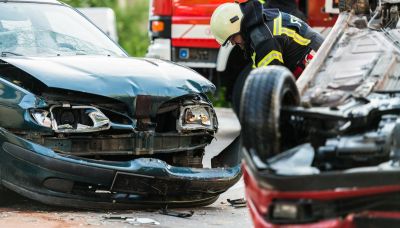
Representing people injured in car accidents in Dothan and Southeast Alabama.
A car accident can create problems that last much longer than the collision itself. Medical treatment, missed work, vehicle damage, insurance claims, and uncertainty about what comes next can quickly become overwhelming. If another driver caused an accident that injured you, Alabama law may allow you to recover compensation for your injuries and other losses.
Dothan Law Group represents people injured in car accidents in Dothan, Houston County, and throughout Southeast Alabama. Our attorneys help clients investigate accidents, deal with insurance companies, determine available insurance coverage, document their injuries and losses, negotiate claims, and pursue lawsuits when necessary. We also represent people injured in crashes caused by impaired drivers. Learn more about claims involving drunk driving accidents in Dothan.
Alabama car accident claims can be particularly difficult because Alabama follows a strict contributory-negligence rule. An insurance company may attempt to avoid responsibility by arguing that the injured person contributed to the accident. Preserving evidence and investigating disputed issues early can therefore be especially important.
If you were injured in a car accident, you can contact Dothan Law Group for a free consultation to discuss what happened, your injuries, and your legal options.
CALL TODAY FOR A FREE CONSULTATION - (334) 793-4354 OR https://dothanlawgroup.com/contact-us
What Should I Do After a Car Accident in Dothan?
What you do immediately after an accident can affect both your health and a later insurance claim or lawsuit. Every situation is different, but these are generally important steps after a collision:
1. Call 911 and report the accident
Report the collision to law enforcement. Depending on where the accident occurred, the investigating agency may be the Dothan Police Department, Houston County Sheriff's Office, Alabama Law Enforcement Agency, or another local agency.
An investigating officer may document the drivers and vehicles involved, insurance information, witnesses, road conditions, apparent contributing circumstances, and other information in an Alabama Uniform Traffic Crash Report.
2. Get medical attention
If you are injured, seek appropriate medical care. Some injuries are immediately apparent, while symptoms of others may become more noticeable after the initial shock of an accident wears off.
Do not delay necessary medical treatment simply because you are concerned about an insurance claim.
3. Preserve evidence if you can do so safely
If circumstances allow, photographs or video may help document:
- The position of the vehicles;
- Damage to each vehicle;
- Skid marks or debris;
- Traffic signals and signs;
- Weather and roadway conditions;
- Visible injuries; and
- Other relevant conditions at the accident scene.
If you have dashcam footage, save a separate copy so that it is not automatically overwritten.
4. Identify witnesses
If someone saw the accident, obtain the person's name and contact information if possible.
Independent witnesses can become particularly important when drivers later disagree about how an accident happened.
5. Be careful about statements concerning fault
Cooperate with law enforcement and provide truthful information, but avoid guessing about things you do not know.
Statements made immediately after an accident can later become important when an insurance company investigates responsibility for the collision.
6. Notify the appropriate insurance company
Most accidents will eventually need to be reported to one or more insurance companies.
However, reporting an accident is different from giving an unrestricted recorded statement, signing a medical authorization, or accepting a settlement. If you have questions about what an insurance company is requesting, consider speaking with an attorney before signing documents that may affect your claim.
7. Keep records
Save documents related to the accident, including:
- Medical bills;
- Medical records;
- Prescription receipts;
- Vehicle repair estimates;
- Towing and storage bills;
- Rental-car expenses;
- Wage-loss information;
- Insurance correspondence; and
- Photographs.
These records can become important when documenting your losses.
When Should I Hire a Lawyer After a Car Accident?
Not every minor automobile accident requires an attorney. However, you should consider speaking with a car accident lawyer when:
- You suffered a significant injury;
- You required emergency treatment, surgery, physical therapy, or ongoing medical care;
- The insurance company disputes who caused the accident;
- The insurer claims you were partly responsible;
- The other driver was uninsured or underinsured;
- A commercial vehicle was involved;
- Multiple vehicles or parties were involved;
- You missed substantial time from work;
- Your injuries may cause permanent limitations;
- The insurance company is questioning whether the accident caused your injuries;
- You have been asked to sign a broad medical authorization or release;
- The insurer has denied your claim;
- You received a settlement offer but do not know whether it fairly accounts for your losses; or
- A family member was killed in the collision.
It can also be helpful to speak with an attorney early when important evidence may disappear. Surveillance footage may be overwritten, vehicles may be repaired or destroyed, witnesses may become difficult to locate, and electronic information may not be preserved indefinitely.
What If the Insurance Company Says I Was Partly at Fault?
This is an especially important issue in Alabama.
Alabama's Contributory Negligence Rule
Alabama follows the doctrine of contributory negligence in ordinary negligence cases. In appropriate circumstances, a defendant may argue that the injured person's own negligence contributed to the accident and bars recovery.
That makes disputes about fault particularly important in Alabama car accident cases.
For example, another driver might have failed to yield at an intersection but later argue that you were speeding, distracted, or otherwise contributed to the collision.
An insurance company may investigate issues such as:
- Vehicle positions;
- Witness statements;
- Traffic-camera or surveillance footage;
- Vehicle damage;
- Skid marks;
- Traffic laws;
- Cell-phone evidence where appropriate;
- Event data;
- Accident reconstruction; and
- Statements made by the drivers.
A determination of fault should therefore be based on the available facts and applicable Alabama law—not simply on an insurance adjuster's assertion that you were partly responsible.
What Compensation Can I Recover After a Dothan Car Accident?
The compensation available after an Alabama car accident depends on the facts of the individual case.
Potential damages may include the following.
Medical Expenses
An injury claim may include reasonable medical expenses resulting from the accident, such as:
- Ambulance services;
- Emergency-room treatment;
- Hospitalization;
- Surgery;
- Physician visits;
- Diagnostic testing;
- Physical therapy;
- Prescription medication;
- Medical equipment; and
- Reasonably necessary future medical treatment.
For serious injuries, determining future medical needs may require opinions from treating physicians or other qualified experts.
Lost Wages
If an injury prevents you from working, lost income may form part of your claim.
Documentation can include wage records, employment records, tax information, and medical evidence establishing work restrictions.
Loss of Earning Capacity
A serious or permanent injury may affect a person's ability to earn income in the future.
This issue is different from simply calculating wages already missed. In appropriate cases, the claim may involve the long-term effect an injury has on the person's ability to work and earn income.
Pain and Suffering
A personal injury claim may also include compensation for the physical pain and other legally compensable effects of an injury.
The appropriate value depends on the particular circumstances rather than a fixed formula.
Permanent Injury and Disability
Some collisions result in permanent impairment, scarring, disfigurement, or limitations on a person's ability to perform ordinary activities.
Evidence of the nature and expected duration of those injuries can be important when evaluating a claim.
Property Damage
The bodily-injury claim is usually distinct from the property-damage claim involving the vehicle.
Property-damage issues may include repair costs, total-loss valuation, towing, storage, rental transportation, and other applicable losses.
Wrongful Death
When a car accident causes a death, Alabama's wrongful-death law is substantially different from the law of many other states.
Alabama wrongful-death claims involve special rules concerning who may bring the action and the damages that may be recovered. Families dealing with a fatal collision should obtain advice concerning those rules rather than assuming an Alabama wrongful-death claim works like a claim in another state.
Dealing With Insurance Companies After an Alabama Car Accident
Insurance is often one of the most confusing parts of an automobile-accident claim.
Depending on the circumstances, several different coverages may be involved.
The At-Fault Driver's Liability Insurance
When another driver negligently causes an accident, a claim may be made against that driver's liability coverage.
The insurer will ordinarily investigate both liability and damages before deciding whether to make a settlement offer.
An insurance company's obligation to its insured does not mean that the company represents your interests. Its evaluation may differ substantially from your evaluation of the claim.
Uninsured Motorist Coverage
If the responsible driver does not have applicable liability insurance, your own automobile policy may provide uninsured-motorist coverage.
The existence and amount of available coverage depends on the policy and circumstances of the accident.
Underinsured Motorist Coverage
A driver can have insurance and still have insufficient coverage to compensate someone who suffers a serious injury.
Underinsured-motorist coverage may become important when the responsible driver's liability limits are inadequate to cover the damages.
Medical Payments Coverage
Some automobile policies contain medical-payments coverage, commonly called "MedPay," which may provide benefits for medical expenses subject to the terms and limits of the policy.
What If the Insurance Company Offers Me a Quick Settlement?
A fast settlement is not necessarily a fair settlement.
One important concern with resolving a bodily-injury claim early is that the full extent of an injury may not yet be known.
Before signing a release, understand what rights you are giving up. A final settlement generally is intended to resolve the covered claim, and discovering later that an injury is more serious than expected does not necessarily allow the claim to be reopened.
Should I Give the Insurance Company a Recorded Statement?
The answer depends partly on which insurance company is asking and why.
Your own insurance policy may impose duties to cooperate with your insurer. A liability insurer representing another driver occupies a different position.
A recorded statement creates evidence that may later be used when evaluating or defending a claim. Statements about speed, distance, visibility, pain, prior medical conditions, or how the collision happened may become important later.
You should provide truthful information when you are required to do so, but you do not have to guess about facts you do not remember.
If you are uncertain about your obligations or the scope of an insurer's request, an attorney can review the situation before you provide a recorded statement.
How Do We Prove a Dothan Car Accident Claim?
A successful injury claim requires evidence.
Depending on the accident, relevant evidence may include:
- Alabama Uniform Traffic Crash Reports;
- Accident-scene photographs;
- Vehicle photographs;
- Dashcam footage;
- Nearby surveillance footage;
- 911 records;
- Witness statements;
- Body-camera footage;
- Vehicle event data;
- Cell-phone records when legally obtainable and relevant;
- Medical records;
- Medical bills;
- Employment and wage records;
- Expert testimony;
- Accident reconstruction;
- Vehicle inspections; and
- Testimony from the people involved.
Serious accidents sometimes require evidence that is not obvious to someone unfamiliar with litigation.
For example, a nearby business may have surveillance video that will eventually be overwritten. A commercial vehicle may contain electronic data. A damaged vehicle may be sold, repaired, or destroyed.
Identifying potentially important evidence early can therefore matter.
Car Accident Cases We Handle
Dothan Law Group represents clients in many types of automobile-accident claims and motorcycle accidents in Dothan and throughout Southeast Alabama .
Rear-End Collisions
Rear-end accidents are common, but they are not necessarily simple.
Even when responsibility for the collision appears clear, insurers may dispute whether the accident caused the claimed injuries or may argue that a pre-existing condition explains some or all of the person's symptoms.
Intersection and T-Bone Accidents
Intersection collisions frequently involve disagreements about right-of-way, traffic signals, stop signs, speed, or whether a driver failed to yield.
Witnesses and video evidence can be particularly valuable in these cases.
Distracted Driving Accidents
Distracted driving can involve texting, telephone use, navigation systems, passengers, or other activities that divert a driver's attention from the roadway.
Depending on the circumstances and litigation, electronic records and other evidence may become relevant to proving distraction.
Drunk Driving Accidents
A collision caused by an impaired driver can create both criminal and civil proceedings.
The criminal prosecution of a driver does not automatically compensate an injured person for medical expenses and other civil damages.
A separate personal injury claim may be necessary.
Head-On Collisions
Head-on crashes can produce catastrophic injuries because of the forces involved.
These cases may require investigation into lane position, impairment, distraction, speed, fatigue, or other contributing factors.
Hit-and-Run Accidents
A person injured by a driver who leaves the scene may still have potential sources of recovery.
Uninsured-motorist coverage can become particularly important when the responsible driver cannot be identified or does not have insurance, depending on the circumstances and applicable policy.
Multi-Vehicle Accidents
Accidents involving several vehicles can create complicated questions about which driver—or combination of drivers—caused the collision.
Identifying every potentially responsible party and applicable insurance policy may be important.
Rideshare Accidents
Accidents involving Uber, Lyft, or another rideshare service can present additional insurance questions depending upon what the driver was doing through the platform at the time of the accident.
Commercial Vehicle Accidents
A collision involving a driver acting within the scope of employment may involve potential claims beyond the individual driver.
Serious crashes involving tractor-trailers and other commercial vehicles can also involve specialized regulations and evidence.
Common Injuries After Car Accidents
Automobile collisions can cause injuries ranging from temporary soreness to permanent disability.
Examples include:
- Traumatic brain injuries;
- Concussions;
- Neck injuries;
- Back injuries;
- Spinal injuries;
- Herniated discs;
- Broken bones;
- Shoulder injuries;
- Knee injuries;
- Internal injuries;
- Nerve injuries;
- Scarring;
- Disfigurement; and
- Permanent physical impairment.
What If My Injuries Did Not Appear Immediately?
Not every injury produces its full symptoms at the scene of an accident.
If you develop symptoms after a collision, obtain appropriate medical advice rather than trying to diagnose the problem yourself.
From a legal perspective, medical documentation may also become important when an insurer later evaluates whether the accident caused the condition for which compensation is being sought.
How Long Do I Have to File a Car Accident Lawsuit in Alabama?
Many Alabama personal injury claims arising from negligence are subject to a two-year statute of limitations.
However, the correct deadline depends on the type of claim, the parties involved, and the circumstances.
Different rules or notice requirements can apply in particular situations, and waiting until a deadline approaches can also make evidence harder to preserve.
For those reasons, an injured person should not assume that every possible claim can safely wait two years.
What Does a Car Accident Lawyer Do?
A car accident lawyer's job involves considerably more than negotiating a number with an insurance adjuster.
Depending on the case, an attorney may:
Investigate the Collision
This can include obtaining reports, photographs, video, witness information, records, and other evidence concerning how the accident happened.
Identify Potentially Responsible Parties
Sometimes the only responsible party is another driver.
Other accidents may involve an employer, vehicle owner, commercial carrier, contractor, manufacturer, governmental entity, or another party, depending on the facts.
Identify Available Insurance
The attorney can investigate liability coverage, uninsured/underinsured-motorist coverage, and other potentially applicable insurance.
Document the Injuries and Losses
Medical records and bills alone may not tell the entire story.
Lost wages, future medical care, permanent impairment, diminished earning ability, and other damages may require additional documentation.
Communicate With Insurance Companies
Legal representation allows the attorney to handle communications concerning the injury claim while the client focuses on medical care and recovery.
Negotiate the Claim
Once the claim can be appropriately evaluated, the attorney may present the supporting evidence and negotiate with the insurer.
File a Lawsuit When Necessary
Not every case requires litigation.
When a reasonable resolution cannot be reached, filing suit allows the parties to use the formal discovery process, obtain evidence, take depositions, present motions to the court, and ultimately proceed toward trial if the case is not resolved.
How Much Does a Car Accident Lawyer Cost?
Dothan Law Group handles car accident cases on a contingency-fee basis. You do not have to pay money up front to hire us, and you do not pay an hourly attorney's fee while the case is pending. We only receive an attorney's fee if you receive money from your case. The specific terms are explained in the written representation agreement before you hire the firm.
No Upfront Attorney's Fee
Dothan Law Group handles accepted car accident cases on a contingency-fee basis. You pay no attorney's fee up front, and we only receive an attorney's fee if you recover money from your case.
FREE CONSULTATION | (334) 793-4354
Why Choose Dothan Law Group After a Car Accident?
Dothan Law Group is located in downtown Dothan and represents clients throughout the Wiregrass and Southeast Alabama.
A personal injury case should not be treated as nothing more than a claim number.
Our attorneys evaluate the facts of each case, the applicable Alabama law, the available insurance coverage, the medical evidence, and the client's individual losses.
When we accept a car accident case, our role may include investigating the collision, preserving relevant evidence, communicating with insurance companies, obtaining and reviewing records, evaluating insurance coverage, negotiating the claim, and filing a lawsuit when litigation is necessary.
DLG also brings experience from multiple areas of Alabama law to problems that do not always fit neatly into a single category. Automobile accidents can involve insurance disputes, DUI proceedings, commercial defendants, wrongful death, probate issues, property damage, and litigation.
Speak With a Dothan Car Accident Lawyer
If you were injured in a car accident in Dothan, Houston County, or elsewhere in Southeast Alabama, Dothan Law Group can review the circumstances and discuss your legal options.
There is no charge for an initial personal injury consultation.
Dothan Law Group, LLC
344 N. Oates Street
Dothan, Alabama 36303
334-793-4354
Frequently Asked Questions About Dothan Car Accidents
Do I need a lawyer after a car accident?
Not every automobile accident requires an attorney. If the accident caused significant injuries, fault is disputed, the insurer is denying or undervaluing the claim, multiple parties are involved, or available insurance is uncertain, speaking with an attorney can help you understand your options.
How much is my car accident case worth?
There is no reliable formula that determines the value of every car accident case. Relevant factors can include the severity and duration of the injuries, medical expenses, lost income, future treatment, permanent impairment, available insurance coverage, evidence concerning fault, and other facts specific to the claim.
Be cautious of websites offering an instant "settlement calculator." A calculator cannot meaningfully evaluate many of the facts that affect an Alabama personal injury claim.
What if I was partly responsible for the accident?
Alabama's contributory-negligence law can make this a critical issue. A defendant may argue that the injured person's own negligence contributed to the accident and bars recovery. If fault is disputed, the evidence concerning how the collision happened should be carefully evaluated.
Should I talk to the other driver's insurance adjuster?
You may need to communicate basic information concerning the claim, but remember that the other driver's insurer does not represent you. Be especially careful about recorded statements, broad medical authorizations, releases, or a request to resolve the bodily-injury claim before the extent of the injuries is understood.
What if the driver who hit me does not have insurance?
Your own automobile policy may provide uninsured-motorist coverage. The availability and amount of coverage depends on the policy and circumstances. Other potential sources of recovery may also exist in some cases.
What if the other driver does not have enough insurance?
Underinsured-motorist coverage may provide additional protection when the responsible driver's liability coverage is insufficient to compensate for the covered damages. Determining available coverage can require reviewing the applicable insurance policies.
Should I accept the insurance company's settlement offer?
That depends on the facts and the terms of the proposed settlement. Before accepting a final bodily-injury settlement, you should understand the extent of your injuries, reasonably anticipated future treatment, applicable liens or reimbursement claims, available insurance, and the rights being released.
How much does a car accident lawyer cost?
Dothan Law Group provides free initial consultations for personal injury matters. In cases accepted on a contingency-fee basis, the attorney's fee is tied to obtaining a recovery rather than an hourly fee for the attorney's work. The exact terms are explained in the written representation agreement.
Do I need a lawyer for a minor car accident?
Not necessarily. A minor property-damage accident with no injury and no meaningful dispute may not justify hiring a personal injury attorney. If injuries develop, fault becomes disputed, or the insurance claim becomes more complicated than expected, obtaining legal advice may be appropriate.
What if I did not go to the emergency room after the accident?
Not going to an emergency room does not automatically determine whether you have a claim. The more important question is whether you were actually injured and whether the available evidence can establish that the collision caused the injury. If you are experiencing symptoms, seek appropriate medical advice.
Will my car accident case go to trial?
Many automobile injury claims are resolved without a trial. Some are resolved before a lawsuit is filed, while others settle during litigation. Trial may become necessary when the parties cannot agree about liability, causation, damages, insurance coverage, or an appropriate resolution.
How long does a car accident case take?
There is no standard timeline. A straightforward claim involving a resolved injury may be handled much faster than a case involving surgery, permanent injuries, disputed liability, multiple defendants, complex insurance issues, or litigation. Resolving a claim too early can also be problematic if the extent of the injury is not yet known.