DRUNK DRIVING ACCIDENT LAWYER
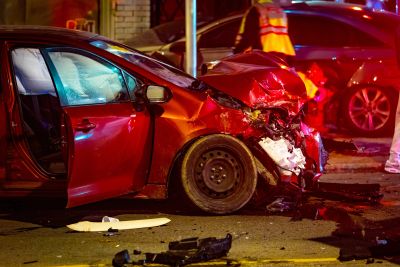
Representing people injured by drunk and impaired drivers in Dothan and Southeast Alabama.
Being injured by a drunk or impaired driver can be especially difficult because the collision was preventable. In addition to dealing with physical injuries, medical treatment, missed work, and vehicle damage, victims may understandably have questions about how the driver's intoxication affects their right to compensation.
Dothan Law Group represents people injured by drunk and impaired drivers in Dothan, Houston County, and throughout Southeast Alabama. We investigate the circumstances surrounding the collision, available insurance coverage, evidence of impairment, and the full extent of the injuries and losses caused by the accident. Drunk driving collisions are one type of automobile injury claim handled by Dothan Law Group. Learn more about our representation of people injured in other types of car accidents in Dothan.
A drunk driving accident can involve both a criminal case against the impaired driver and a separate civil claim by the injured person. The criminal prosecution is handled by the government and focuses on whether the driver committed a crime. A personal injury claim is separate and seeks compensation for the injuries and losses suffered by the victim.
Evidence of intoxication or impairment may become important in the civil case. Depending on the circumstances, relevant evidence can include the accident report, witness statements, body-camera or dash-camera footage, field sobriety testing, breath or blood testing, photographs and video, criminal court records, and other evidence concerning the driver's conduct before and at the time of the collision.
Drunk Driving Accident Claims Are Separate From the DUI Criminal Case
When an impaired driver causes an accident, the driver may face criminal charges such as driving under the influence. That criminal proceeding is separate from the injured person's civil claim for compensation.
An injured person does not have to rely on the criminal prosecution to pursue a personal injury claim. The civil case involves its own legal issues, evidence, damages, and burden of proof. Likewise, the compensation available to an injured person is not determined simply by whether the driver receives a particular criminal sentence.
Because the two matters can arise from the same collision, however, evidence developed during the DUI investigation or criminal proceeding may become relevant to the civil claim. Obtaining and preserving available evidence can therefore be an important part of investigating a drunk driving accident.
Can I Recover Punitive Damages After a Drunk Driving Accident in Alabama?
In some Alabama cases, an injured person may seek punitive damages in addition to compensation for the injuries and losses caused by the accident. Punitive damages are different from compensatory damages. Rather than compensating an injured person for a particular loss, punitive damages are intended to punish certain wrongful conduct and discourage similar conduct in the future.
Alabama law does not automatically award punitive damages simply because alcohol or drugs were involved. Whether punitive damages are available depends on the evidence and whether the defendant's conduct satisfies Alabama's legal requirements for a punitive-damages award.
Evidence concerning the driver's level of impairment, manner of driving, conduct before the collision, knowledge of the risks involved, and other circumstances surrounding the accident may become important when evaluating whether a claim for punitive damages is appropriate.
A drunk driving accident case should therefore be evaluated based on all of the available evidence rather than assuming that a DUI arrest or conviction automatically determines the damages available in the civil case.
Can Someone Other Than the Drunk Driver Be Responsible?
The impaired driver is often the primary person responsible for a drunk driving collision, but the investigation should not necessarily end with the driver. Depending on the circumstances, another individual or business may also bear legal responsibility.
For example, an employer may potentially be involved when an impaired driver was acting within the course and scope of employment. Other circumstances may raise questions concerning the ownership or entrustment of a vehicle.
Alabama law also recognizes certain claims involving the unlawful furnishing of alcohol. Whether a business or another person can be held responsible for furnishing alcohol depends on the particular facts and the requirements of Alabama law. The mere fact that a driver consumed alcohol at a restaurant, bar, or another person's property does not by itself establish liability against that person or business.
Identifying where the driver obtained alcohol, what occurred before the collision, who owned the vehicle, whether the driver was working, and whether other individuals or businesses were involved can therefore be important in an appropriate case.
What Evidence Is Important in a Drunk Driving Accident Case?
A drunk driving accident investigation may involve evidence from both the collision itself and the law-enforcement investigation of the impaired driver. Some of this evidence can be particularly important in determining how the accident occurred and the driver's condition at the time.
Depending on the circumstances, relevant evidence may include:
Breath and blood test results. Chemical testing may provide evidence concerning the presence or concentration of alcohol or other substances in the driver's system.
Body-camera and dash-camera footage. Law-enforcement video may document the accident scene, the driver's appearance and behavior, statements made after the collision, field sobriety testing, and other portions of the DUI investigation.
Field sobriety testing and officer observations. Police reports and testimony may contain observations concerning the driver's speech, coordination, appearance, behavior, driving, and performance on field sobriety tests.
Witness testimony. Passengers, other motorists, restaurant or bar employees, and other witnesses may have information concerning the driver's alcohol consumption, behavior, manner of driving, or the collision itself.
Surveillance and other video. Businesses, residences, traffic cameras, and other sources may have recorded the collision or events occurring before it.
Receipts and transaction records. In an appropriate case, receipts, credit-card transactions, or other records may help establish where and when alcohol was purchased or consumed.
Criminal-case records. Records generated during a DUI investigation or prosecution may contain evidence relevant to the separate civil personal-injury claim.
Accident-scene and vehicle evidence. Photographs, vehicle damage, roadway markings, debris, electronic vehicle information, and other physical evidence may help establish how the collision occurred.
Why Early Investigation Can Matter
Important evidence does not necessarily remain available indefinitely. Surveillance footage may be overwritten, witnesses may become difficult to locate, vehicles may be repaired or destroyed, and businesses may retain records for only limited periods.
When appropriate, an attorney can take steps to identify potentially relevant evidence and request that it be preserved. The particular evidence that should be sought or preserved depends on the circumstances of the collision.
Early investigation can be particularly important when there are questions about where the impaired driver obtained alcohol, whether another person or business may bear responsibility, or whether video or electronic evidence exists.
What Compensation Can I Recover After a Drunk Driving Accident?
A drunk driving collision can result in significant physical, financial, and personal losses. The compensation available in an Alabama personal injury claim depends on the particular injuries, damages, liability evidence, insurance coverage, and other circumstances of the case.
Depending on the facts, recoverable damages may include:
Medical expenses. A claim may include legally recoverable expenses for emergency care, hospitalization, surgery, rehabilitation, physical therapy, medication, diagnostic testing, and other medical treatment caused by the accident.
Future medical care. Serious or permanent injuries may require continuing treatment, rehabilitation, medication, or other medical care in the future.
Lost income and diminished earning ability. An injured person may lose income while unable to work, and a permanent injury may affect the person's ability to earn income in the future.
Pain and suffering. Compensation may be available for physical pain and suffering resulting from injuries caused by the collision.
Mental anguish. The emotional and psychological effects of a serious collision and resulting injuries may also be considered.
Permanent injury, impairment, or disfigurement. Serious injuries can result in permanent limitations, scarring, disfigurement, or other lasting effects.
Property damage and other legally recoverable losses. A claim may also involve damage to a vehicle or other property and additional losses resulting from the accident.
Depending on the evidence, punitive damages may also be sought when the defendant's conduct satisfies Alabama's requirements for such an award.
What If the Drunk Driver Does Not Have Enough Insurance?
Serious injuries can result in damages that exceed the liability insurance available from the at-fault driver. In some cases, the impaired driver may have no automobile insurance at all.
An injured person may have additional coverage available through uninsured or underinsured motorist insurance. This coverage, commonly called UM or UIM coverage, may apply when an at-fault driver has no liability insurance or does not have enough liability coverage to fully compensate the injured person for legally recoverable damages.
Determining available coverage may require reviewing more than the insurance policy covering the vehicle occupied at the time of the collision. Depending on the circumstances, other applicable insurance policies may need to be identified and evaluated.
The existence of limited insurance on the drunk driver's vehicle therefore does not necessarily mean that the available recovery is limited to that policy.
What If I Was a Passenger in a Vehicle With a Drunk Driver?
Passengers injured in a collision may also have personal injury claims. Depending on how the accident occurred, an injured passenger may have a claim against the impaired driver, another driver who contributed to the collision, or other responsible parties.
Insurance coverage available to an injured passenger can also differ from the coverage available to a driver. The applicable policies and the circumstances of the accident should be evaluated individually.
A passenger should not assume that being related to, riding with, or knowing the impaired driver automatically prevents a claim. The particular facts, insurance policies, and applicable Alabama law must be considered.
How Long Do I Have to File a Drunk Driving Accident Lawsuit in Alabama?
Alabama generally provides a two-year limitations period for personal injury claims arising from negligence. In many automobile accident cases, this means that a lawsuit must be filed within two years after the claim accrues. Different deadlines or rules can apply depending on the particular claim and parties involved.
The legal deadline is also not the only reason to act promptly. Video can be overwritten, witnesses can become difficult to locate, vehicles can be repaired or destroyed, and other evidence may become unavailable with time.
A person seriously injured by an impaired driver should therefore consider having the applicable deadlines and available claims evaluated well before the limitations period approaches.
What If the Drunk Driver Was Arrested or Convicted of DUI?
An arrest or criminal prosecution for DUI and a civil personal injury claim are separate legal proceedings. The government prosecutes the criminal case, while the injured person may separately pursue a civil claim for compensation.
Evidence generated during the DUI investigation or criminal case may be relevant to the civil claim, but an arrest by itself does not automatically establish every issue necessary to recover damages. Likewise, the resolution of the criminal case does not necessarily determine the value or outcome of the injured person's civil claim.
An attorney handling the injury claim may therefore investigate the collision independently while also evaluating relevant evidence generated through the criminal proceeding.
Alabama's Contributory Negligence Rule
Alabama follows a strict contributory-negligence rule in negligence cases. A defendant may argue that the injured person's own negligence contributed to causing the collision.
The fact that another driver was intoxicated does not make it unnecessary to investigate how the accident occurred. An insurance company may still dispute causation or contend that another person's conduct contributed to the collision.
Photographs, video, witness testimony, electronic vehicle information, physical evidence from the roadway, and other evidence may therefore be important even when the other driver was arrested for DUI.
What Should I Do After Being Hit by a Drunk Driver?
If you have been injured in an accident involving a suspected drunk or impaired driver, the steps taken after the collision can help protect your health and preserve important evidence.
Seek appropriate medical treatment. Your health should come first. Some injuries may not be immediately apparent, and medical records can help document the injuries and treatment resulting from the collision.
Make sure the accident is reported to law enforcement. A law-enforcement investigation can be particularly important when alcohol or drug impairment is suspected. Officers may document observations, conduct field sobriety testing, obtain breath or blood testing, interview witnesses, and collect other evidence.
Photograph and document the scene if you can safely do so. Photographs or video of the vehicles, roadway, debris, skid marks, traffic signals, and surrounding area may become important evidence.
Identify witnesses. If possible, obtain contact information for anyone who witnessed the collision or observed the other driver's conduct before or after the accident.
Preserve documents and evidence. Keep photographs, medical records, bills, towing records, repair estimates, insurance correspondence, and other documents relating to the collision and your injuries.
Do not assume the criminal case will handle your injury claim. A DUI prosecution does not automatically compensate an injured person for medical expenses, lost income, pain and suffering, or other losses. A civil personal injury claim is separate from the criminal proceeding.
Be cautious when communicating with insurance companies. An insurance representative may request a recorded statement or ask questions about your injuries and how the collision occurred. Consider obtaining legal advice before providing a recorded statement or agreeing to resolve your injury claim.
Consider speaking with an attorney promptly. Evidence related to impairment may come from several sources and some of it may not remain available indefinitely. Early investigation can help identify potential sources of evidence, applicable insurance coverage, and potentially responsible parties.
Do I Have to Wait for the DUI Criminal Case to End?
Generally, an injured person does not have to wait for the criminal DUI case to be completed before beginning the investigation and pursuit of a civil personal injury claim.
The criminal and civil cases serve different purposes and proceed separately. While evidence or developments in the criminal case may become relevant to the injury claim, waiting for the criminal prosecution to conclude could unnecessarily delay the investigation of the civil case.
An attorney can investigate the personal injury claim while monitoring relevant developments in the criminal proceeding.
Frequently Asked Questions About Drunk Driving Accident Claims in Alabama
Can I sue a drunk driver who caused my accident?
A person injured because of another driver's negligence may have a personal injury claim against the responsible driver. When alcohol or drug impairment is involved, evidence of the driver's impairment and conduct may also become important in evaluating the claim and the damages that may be available.
Does the driver have to be convicted of DUI for me to have a personal injury case?
No. A criminal DUI prosecution and a civil personal injury claim are separate proceedings. The outcome of the criminal case does not necessarily determine whether an injured person has a civil claim. The evidence and circumstances of the collision must be evaluated independently.
Can I recover punitive damages if the other driver was drunk?
Punitive damages may be available in an appropriate Alabama case when the evidence satisfies the legal requirements for such an award. They are not automatically awarded simply because a driver consumed alcohol or was charged with DUI. The driver's impairment, conduct, and other circumstances surrounding the collision may become important when evaluating a punitive-damages claim.
Can a bar or restaurant be responsible for a drunk driving accident?
Potentially, but not simply because the driver consumed alcohol there. Alabama law provides certain circumstances in which liability may arise from unlawfully furnishing alcohol. Whether such a claim exists depends on the specific facts, including how the alcohol was furnished and the requirements of Alabama law.
What if the drunk driver does not have insurance?
Other sources of insurance may potentially be available. Uninsured motorist coverage may provide benefits when the responsible driver has no applicable liability insurance. The available policies and coverage should be evaluated based on the circumstances of the particular accident.
What if the drunk driver does not have enough insurance to cover my injuries?
Underinsured motorist coverage may provide an additional source of recovery when the responsible driver's liability insurance is insufficient to compensate an injured person for legally recoverable damages. Depending on the circumstances, more than one insurance policy may need to be evaluated.
What if I was a passenger in the drunk driver's vehicle?
An injured passenger may have a personal injury claim even when the person responsible for the accident was driving the vehicle in which the passenger was riding. The applicable claims and insurance coverage depend on the circumstances of the collision.
How long do I have to sue after a drunk driving accident in Alabama?
Alabama generally applies a two-year limitations period to personal injury claims arising from negligence. Different rules or deadlines may apply to particular claims or parties, so the applicable deadline should be determined from the facts rather than assuming that every claim has the same deadline.
Should I talk to the drunk driver's insurance company?
An insurance company may contact an injured person seeking information or a recorded statement. Statements about how the accident occurred, prior medical conditions, or the extent of the injuries may later become important. An injured person can consider obtaining legal advice before providing a recorded statement or agreeing to settle a claim.
How much is my drunk driving accident case worth?
There is no reliable formula for determining the value of every drunk driving accident claim. Liability, the nature and permanence of the injuries, medical treatment, lost income, future medical needs, available insurance coverage, punitive-damages issues, and other circumstances may all affect the evaluation of a particular case.
How much does Dothan Law Group charge for a drunk driving accident case?
Dothan Law Group handles these personal injury cases on a contingency-fee basis. There is no upfront attorney's fee, and we only receive an attorney's fee if you recover money in your case. The initial consultation is free.
Injured by a Drunk Driver? Talk to a Dothan Drunk Driving Accident Lawyer
If you or a family member has been injured by a drunk or impaired driver in Dothan, Houston County, or Southeast Alabama, contact Dothan Law Group to discuss what happened.
Our attorneys can investigate the collision, evaluate evidence of impairment, identify available insurance coverage and potentially responsible parties, and explain your legal options.
Free consultation. No upfront attorney's fee. We only receive an attorney's fee if you recover money in your case.